Pilolo, reimagined.
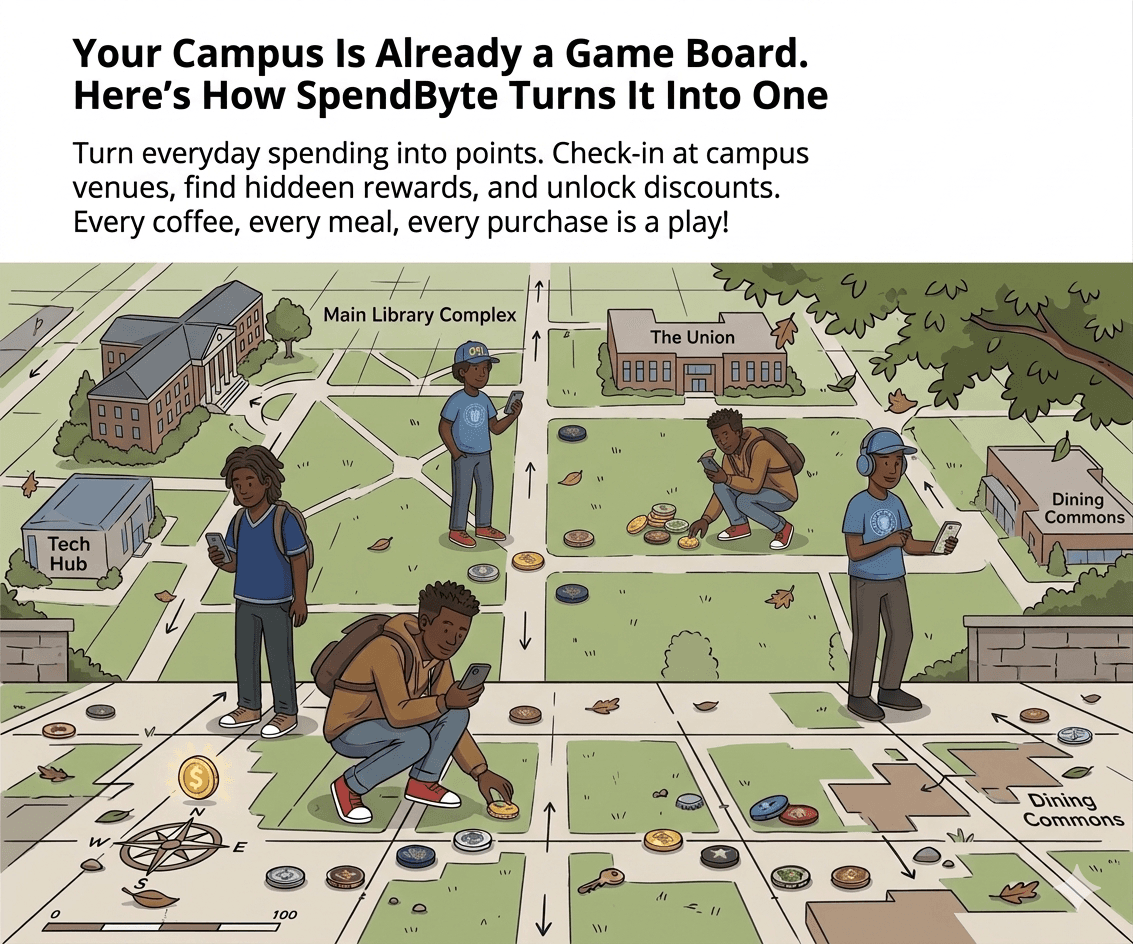
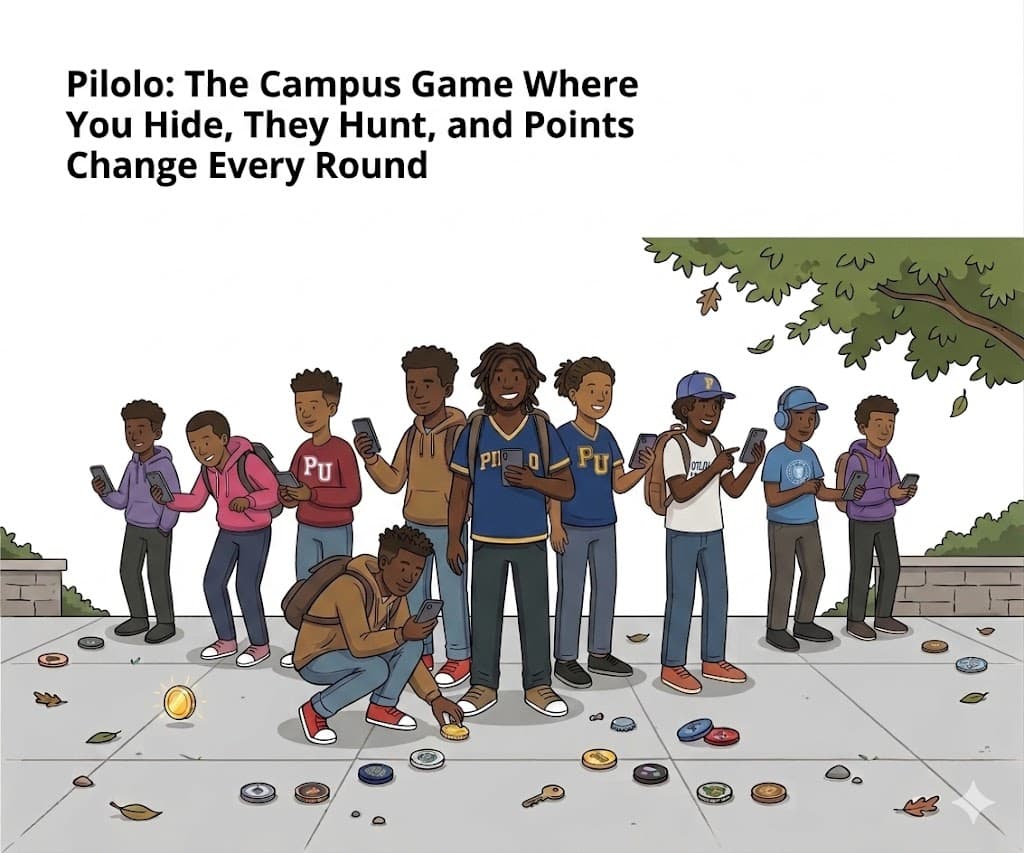
The game we all grew up with — back, and better. Hunt hidden tokens with friends across campus, and turn every find into real rewards you can spend at your favorite merchants.
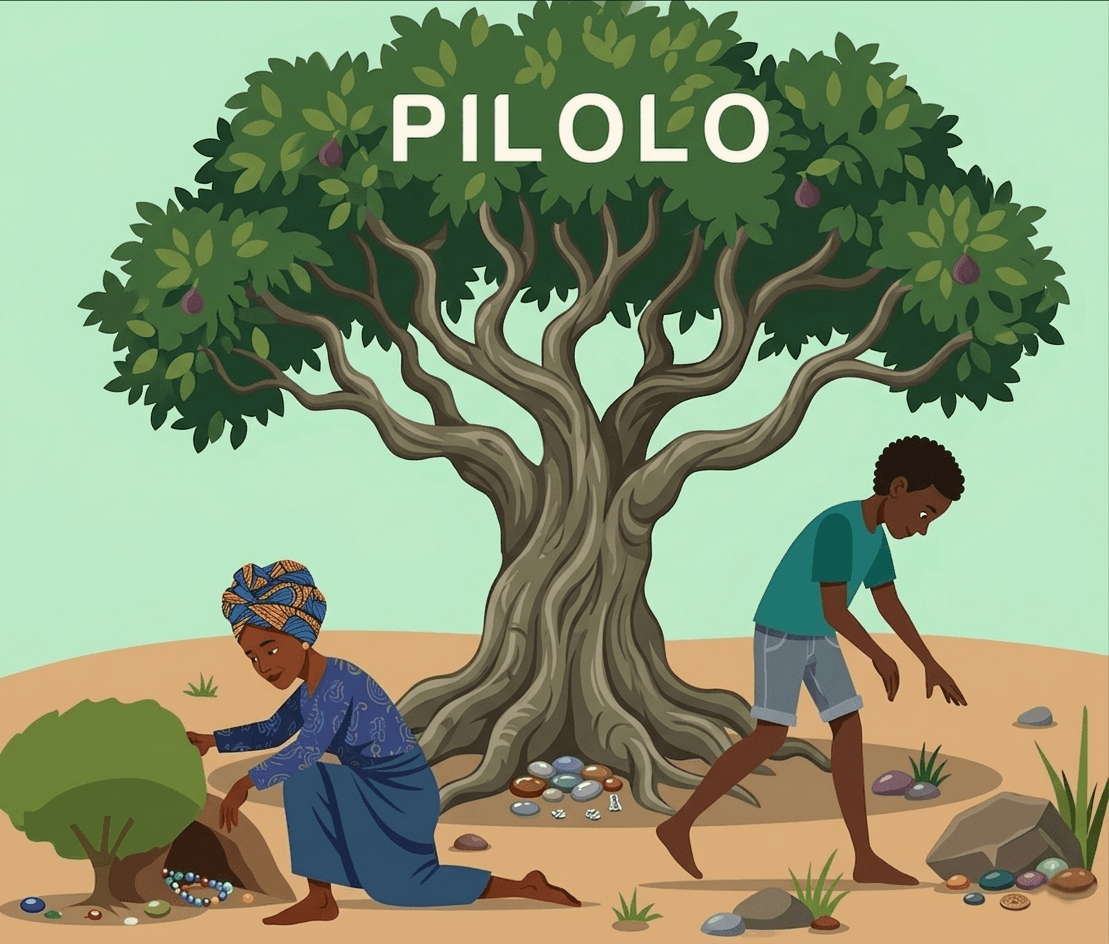
Long before mobile games and group chats, Ghanaian kids had Pilolo — a simple, breathless, sunset-lit game that turned every compound, schoolyard and dusty street into a treasure map.
What is Pilolo?
Pilolo (pronounced pee-loh-loh) is a traditional Ghanaian children's game, popular across Akan, Ga and Ewe communities. The name loosely translates to "search for it" — and that's exactly what you do.
One player, the "hider", is given a handful of small objects: sticks, stones, bottle caps, scraps of paper, sometimes a coin if the stakes were high. While the other kids close their eyes (no peeking, or you're out), the hider scatters the objects around the playing area — under a stone, behind a mango tree, on top of a low wall, tucked into a crack in the cement.
Then comes the shout every Ghanaian child knows by heart:
"Pilolo!"
And the hunt begins.
The Rules (As We Remember Them) One hider, many seekers. The hider hides the objects in plain-ish sight — nothing buried, nothing impossible. Everyone searches at once. When "Pilolo!" is called, all seekers race to find a stick (or stone, or whatever the token is).

First to the finish line wins the round. You don't just have to find a token — you have to grab it and race back to the agreed finish point (a tree, a wall, the hider). First one home wins. No token, no point. If you come back empty-handed, you're out of the round. Best of however-many. Rounds keep going until someone wins an agreed number, or until your mum calls you in for supper. Why It Mattered Pilolo wasn't just a game. It was:
Free. No batteries, no screen, no subscription. A few stones and a willing crew was all you needed. Fast. A round lasted minutes. You could squeeze in ten before the streetlights came on. Social. It pulled neighbours, cousins and complete strangers into the same circle. Friendships were forged over arguments about who really got to the tree first. A lesson in life. You learned to look carefully, move quickly, lose gracefully — and that the prize usually goes to the one who pays attention. Where to Find Pilolo Today Like many traditional games, Pilolo has had to compete with smartphones, FIFA and TikTok. In many cities it's quieter than it used to be — but in school playgrounds, family gatherings and Ghanaian cultural festivals, it still shows up. Teachers use it for PE. NGOs use it in community programmes. Aunties use it to tire out hyperactive nephews.
And every so often, someone shouts "Pilolo!" in a compound, and an entire generation remembers exactly how to play.
Pilolo, Reimagined At Spendbyte, we grew up playing Pilolo too — and we couldn't shake the feeling that the world's best treasure-hunting game deserved a comeback.
So we're bringing it back. Same chase. Same thrill. Same shout. Only now, the tokens you hunt across campus are worth real rewards at your favourite merchants — food, drinks, data, hangouts, the things students actually want.
Because some games are too good to leave in the past.
"Pilolo!" — go find it.
Want me to drop this into a file (e.g. a markdown draft you can paste into the CMS), shorten it, change the tone, or write a different angle (history-focused, kid-friendly, marketing-punchy)?